7 months ago
 SHARE
SHARE
SHARE
PAYROLL & COMPLIANCE
Furniture Layout Tips to Maximize Flow in Any Space
Whether you’re arranging an office, home, or commercial environment, furniture layout is one of the most powerful design tools at your disposal. The way furniture is positioned doesn’t just influence aesthetics — it directly impacts how people move through space, how functional the space feels, and how comfortable and productive occupants are.
In this article, we’ll break down practical furniture layout tips that maximize flow and functionality, with design principles backed by experts and real space planning strategies.
Why Furniture Layout Matters
Every interior — from a cozy living room to a busy office floor — has paths of movement: the routes people take to walk, sit, work, and interact. If furniture interrupts these paths or creates bottlenecks, the space feels cramped, stressful, and inefficient. Thoughtful furniture layout ensures spaces feel open, intuitive, and purposeful, helping users navigate with ease and function comfortably.
1. Prioritize Clear Traffic Paths
One of the most essential principles of good furniture layout is unobstructed circulation. Before placing any furniture:
• Identify how people will enter, exit, and move through the space
• Avoid placing furniture in the direct path of movement
• Leave at least 3 feet (about 90 cm) of space for primary walkways, and around 18–24 inches (~45–60 cm) in less active areas
This builds a natural flow that supports both comfort and safety — whether you’re moving around a desk in an office or walking between a sofa and coffee table in a lounge.
2. Define Functional Zones
Instead of scattering furniture randomly, group pieces into functional zones — for example:
• Workstations and desks in a productivity zone
• Seating clusters for collaboration or relaxation
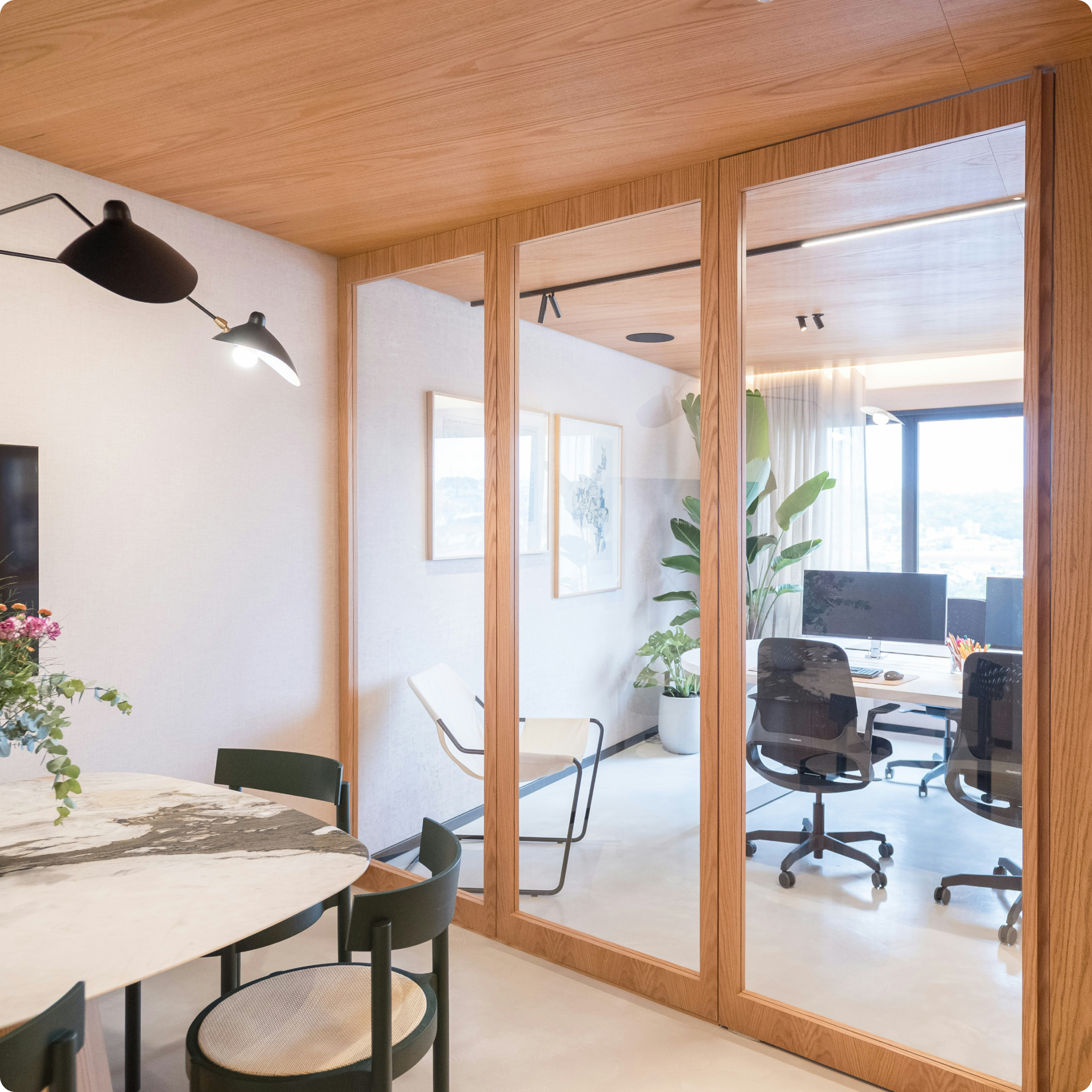
• Dining or meeting areas separate from transit routes
Zoning clarifies how each area should be used and avoids overlap — making spaces feel organized rather than crowded.
3. Scale Furniture to the Space
Furniture that’s too big or too small can hurt both flow and balance:
• Oversized furniture overwhelms a room and reduces open space
• Tiny furniture without purpose can make a room feel scattered
Choose pieces that fit the room scale so open areas remain clear, and the layout feels intentional rather than chaotic.
4. Avoid Pushing All Furniture Against Walls
It’s tempting to push sofas and chairs against walls to open floor space — but designers often avoid this. Floating furniture a few inches from the walls:
• Encourages more dynamic movement
• Creates better sightlines
• Allows seating to engage with the rest of the space instead of feeling isolated
This is especially useful in living and collaborative spaces where conversation and interaction matter.
5. Use Rugs and Visual Boundaries to Guide Movement
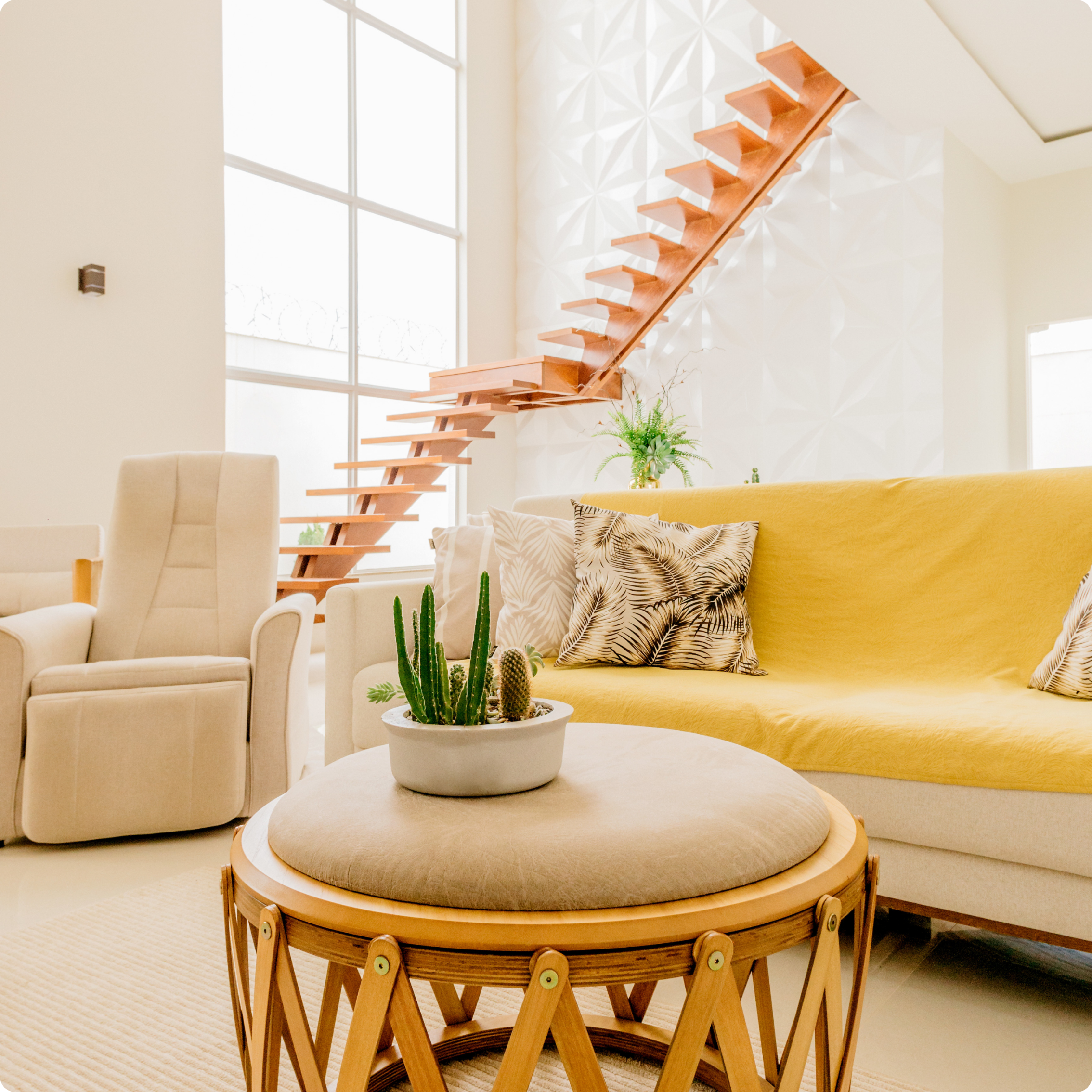
Rugs aren’t just decorative — they can define walkways and zones. Placing a rug under a seating cluster or meeting table visually signals that area as a distinct section, while leaving open floor space outside for movement.
This creates flow without piling on furniture, which helps spaces feel breathable rather than fragmented.
6. Furniture Placement Should Respect Openings
Pay attention to doors, windows, and architectural features. Furniture should enhance — not block — these:
• Leave clear gaps around doorways
• Avoid placing tall furniture in front of windows that let in light
• Orient seating so that views and natural light aren’t obstructed
This ensures that the space feels open and connected to its surroundings.
7. Balance Function with Aesthetic Movement
Different layouts influence how we use space:
• Angled furniture pieces or curved lines make movement feel more organic and dynamic
• Straight lines and rigid grids create structured and formal flow
Think of your space as a path that guides people effortlessly from one area to another — your layout should facilitate this, not fight it.
8. Modular and Flexible Furniture Boosts Adaptability
Flexible furniture — such as modular desks in offices or movable seating in lounges — allows spaces to adapt to different uses without disrupting flow. This is especially valuable for workplaces that need to reconfigure layouts for collaboration one day and focus work the next.
When furniture moves with your needs, flow becomes responsive rather than fixed.
9. Incorporate Multi-Functional Pieces in Smaller Areas
In compact spaces, multi-functional furniture (like a bench with storage or a desk that doubles as a shelf) keeps floors clear and movement easy. Keeping clutter minimized helps maintain visual and physical flow throughout the room.
10. Always Test the Layout Before Finalizing
Before committing:
• Sketch the layout on paper or use online tools
• Walk through the proposed space to see if it feels intuitive
• Ensure essential furniture doesn’t block primary movement lines
This is a simple but effective step that designers swear by — planning first prevents costly adjustments later.
A well-planned furniture layout does more than make a space look good — it ensures the space works well. Maximizing flow means balancing clear movement paths, functional zones, thoughtful sizing, and flexible choices that suit how people really use the space.
Whether you’re designing a busy office floor, a cozy home workspace, or a public lounge, furniture layout is the foundation of great space design — it creates harmony between comfort, function, and flow.