7 months ago
 SHARE
SHARE
SHARE
PROJECTS
How Office Layouts Affect Productivity and Flow
When businesses invest in office interiors, many focus first on aesthetics or branding. But the layout of an office isn’t just about looks — it’s one of the most critical factors that influence how people feel, work, collaborate, and perform every day. The way space is organized can enhance focus, communication, and productivity — or it can create distractions, stress, and bottlenecks in work flow.
In this article, we explore how office layouts impact productivity and flow, what research shows, and how thoughtful design can create workplaces that work for people — not against them.
Why Office Layout Matters
Office layout refers to how desks, rooms, meeting areas, pathways, and support spaces are arranged within a workspace. This arrangement directly influences:
• How people communicate
• Levels of collaboration
• Ability to focus without interruptions
• Physical movement and ergonomics
Studies and workplace assessments consistently show that layout isn’t neutral — it shapes behaviour, performance, and well-being.
1. Layout Influences Collaboration and Interaction
Some office layouts — particularly open-plan designs — are intended to break down barriers between teams and boost spontaneous communication. Open areas with shared desks and low partitions can make it easier for colleagues to see, talk to, and connect with one another.
Benefits:
• Encourages informal collaboration
• Can speed up decision-making
• Creates a sense of team unity
However, research also shows that collaboration advantages do not automatically translate to productivity benefits. In fact, studies highlight that open-plan layouts can increase distractions, reduce privacy, and even lower productivity if not managed with thoughtful zoning and noise control.
2. Distractions and Noise Affect Focus
One of the most cited drawbacks of poorly planned layouts — especially open concepts — is noise and visual distraction. Excessive sound from conversations, phone calls, or movement can disrupt concentration, particularly for tasks requiring deep focus.
Research has found that noise interruptions are linked to missed deadlines, lower task completion rates, and decreased employee satisfaction. The cognitive cost of switching attention after a distraction further slows performance — a phenomenon sometimes referred to in workplace psychology as the cost of interruption.
3. Spaces Can Support Different Types of Work
Modern office design increasingly moves away from “one-size-fits-all” layouts toward activity-based working (ABW) — spaces tailored to different types of tasks.
Examples include:
• Quiet zones or focus rooms for concentrated work
• Open collaboration zones for team tasks
• Informal lounges for brainstorming
• Meeting rooms for structured discussions
When layouts match the needs of the work being done, employees can choose the most suitable environment at the right time, boosting both satisfaction and productivity.
4. Physical Flow and Movement Also Matter
An office isn’t just desks — it’s circulation space: the routes people take to move, meet, or access resources. Layouts that create clear, intuitive pathways help people move efficiently without congestion or confusion.
Good circulation design supports:
• Faster transitions between tasks
• Fewer accidental interruptions
• Reduced time wasted navigating the space
Efficient spatial planning also positively affects flow — the psychological state in which individuals are fully immersed in work, free from disruptions — a key productivity booster.
5. Comfort and Well-Being Impact Performance
Office layouts contribute to overall well-being, and well-being correlates with productivity. A report by the World Green Building Council (WorldGBC) found significant evidence linking workplace design — including layout, access to light, ventilation, and interior configuration — to employee health, satisfaction, and performance.
Key design elements that support well-being include:
• Ample natural light
• Clear separation of focus and collaboration spaces
• Comfortable circulation and ergonomic desk setups
• Reduced noise through acoustic design
When people feel physically and mentally supported, they perform better — and layout plays a major role in shaping that experience.
6. Layouts Shape Organizational Culture and Flow
Office layout doesn’t just influence individual productivity — it also affects how the organization functions as a whole. Certain layout types, like traditional private offices or high cubicles, may reinforce hierarchical structures and limit interaction, whereas open or hybrid layouts can foster transparency and teamwork.
However, it’s important to recognize that layout alone doesn’t determine productivity — how people use space, supported by culture and management practices, also matters. A study examining open-office environments showed mixed impacts: while they can increase informal interactions, they can also raise job dissatisfaction if employees lack privacy or control.
Designing for Productivity: Best Practices
To ensure office layouts enhance productivity and flow — rather than disrupt it — consider these principles:
🔹 Zone Spaces by Task
Create distinct zones for focused work, collaboration, meetings, and relaxation. This reduces distractions and helps employees choose the right environment for their needs.
🔹 Allow for Privacy
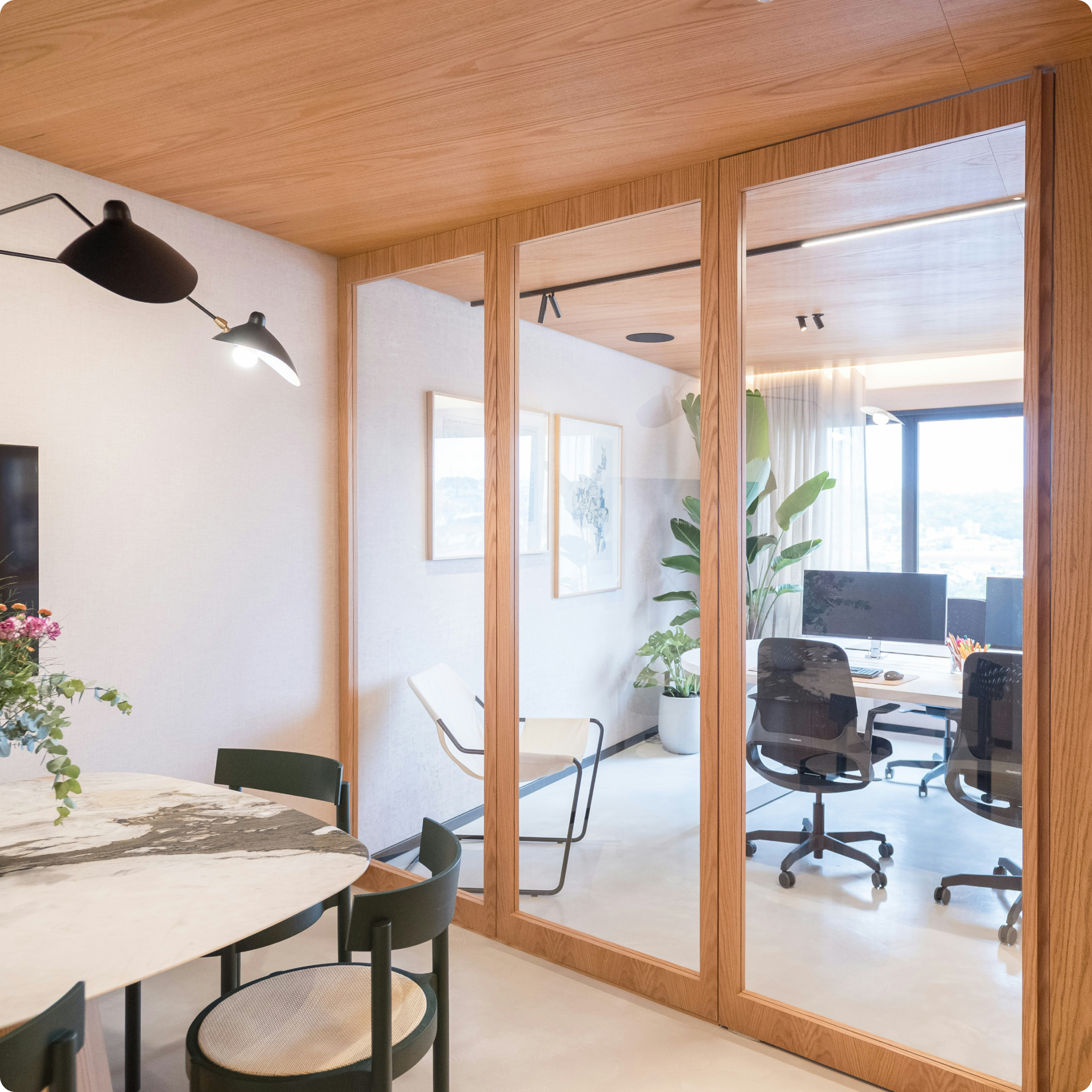
Include quiet rooms, phone booths, or small focus areas to give employees control over interruptions.
🔹 Balance Open & Private
Open layouts aren’t inherently bad — they just need thoughtful divisions between collaborative and quiet spaces.
🔹 Invest in Acoustics
Use sound-absorbing materials, partitions, and quiet computing strategies to manage noise and support concentration.
🔹 Promote Flow Through Circulation
Ensure pathways are intuitive, uncluttered, and designed to reduce unnecessary movement or bottlenecks.
Conclusion
Office layout is far more than an aesthetic choice — it’s a strategic tool that shapes how employees interact, how teams function, and how work flows throughout the day. A well-designed layout supports not just productivity, but also well-being, satisfaction, and organizational culture.
By understanding how layout influences behaviour and applying thoughtful planning principles, organisations can create workspaces that enhance productivity without compromising comfort or collaboration — a win-win for employees and business alike.