7 months ago
 SHARE
SHARE
SHARE
Branded Service Experience for Premium Workspaces
How Maanicare Aligned Facilities Services with a High-End Brand Experience
Luxury Spaces, Local Service Gaps
A premium co-working and office space provider prided itself on upscale interiors and exclusive amenities for its clientele. However, there was a catch: the day-to-day maintenance and service experience wasn’t living up to the luxe image. Tenants paying top dollar for polished marble lobbies and designer furniture grew frustrated when a handyman showed up looking disheveled or a simple repair took three requests to get right. The service felt like any run-of-the-mill contractor work, undermining the brand’s promise of a superior experience. The client realized that every interaction – including fixing a light or servicing the air conditioning – is part of their brand story. They engaged Maanicare to transform their facilities services from a basic utility into a branded, white- glove experience that matched the ambiance of their workspaces.
The Business Challenge
Problem Statement
How can we deliver facilities maintenance that feels as premium as the offices themselves? The core issue was that while the spaces were premium, the service processes were not differentiated from a standard office building. Customers expected hotel-like service in their work environment but instead got inconsistencies: technicians arriving late or unannounced, varying dress codes (sometimes just a neon safety vest over casual clothes), and occasional sloppy work that required follow-ups. This led to dissatisfaction and complaints, which in a competitive co-working market, can affect client retention and reputation. The challenge was to redesign the service delivery – from the moment a service request is made to the moment it’s resolved – to exude professionalism, courtesy, and reliability.
Key Constraints & Complexity
Transforming the service culture had its complexities:
- Team Transformation – The maintenance personnel were largely the same people who had always done the job. Asking them to now deliver a hospitality-like service required significant training and mindset shift. This wasn’t just about new checklists, but winning hearts and minds to take pride in delivering premium service.
- Consistency Across Locations – The provider had multiple sites across the city (and in other cities). Ensuring a uniform experience everywhere – such that a client in one city gets the same treatment as one in another – meant standardizing protocols and communication, despite different teams operating each site.
- Minimizing Disruption – Any changes in service processes had to be implemented without disrupting ongoing operations. The facilities still needed to run smoothly during the transition; clients shouldn’t feel like they’re in a “training ground” for new procedures. Changes had to be nearly seamless and quickly effective.
- Measuring the Intangible – “Premium feel” is somewhat subjective. The client needed metrics like customer satisfaction scores, repeat ticket rates, etc., to ensure the changes were making a difference, but also had to rely on qualitative feedback. Designing a feedback mechanism that captures this was part of the task.
Maanicare’s Approach
Maanicare tackled the project by borrowing principles from the hospitality industry and blending them into facilities management. We focused on people, process, and feedback:
3.1 Service Audit & Client Journey Mapping
First, we performed a service audit – essentially a mystery shopping of the existing maintenance service. We traced the journey of a service request: how a tenant raises an issue, how the request is scheduled, how the technician engages when arriving, and how the issue is closed out. Pain points emerged clearly. Appointments were loosely handled (e.g., “we’ll send someone tomorrow” without a precise time), technicians often arrived with no clear introduction or context (the tenant sometimes had to explain the problem from scratch), and after the fix, there was little communication (no one checked if it was done to satisfaction). We documented these gaps and then mapped out an ideal “premium service journey” – what should happen at each touchpoint to delight rather than frustrate. This ideal journey was used as a blueprint for designing new protocols.
3.2 Developing Premium Service SOPs
Maanicare created detailed Standard Operating Procedures (SOPs) that would govern maintenance service delivery. These SOPs covered every aspect of the process: how quickly requests must be acknowledged, how to communicate with the client about scheduling, how technicians should present themselves and interact, and what steps to take before, during, and after a task. For example, an SOP might state that for any non- urgent request, the tenant is offered a choice of appointment windows (morning/ afternoon) within 24 hours, and a confirmation is sent when a technician is dispatched. Another SOP outlined the “Service Etiquette Protocol”: technicians must arrive in a clean, branded uniform, with an ID badge; greet the client courteously by name; briefly explain what they will do; and post-completion, demonstrate the fix and ensure the area is tidy. We even scripted some elements (like how to politely ask if there’s anything else the client needs). By standardizing the steps, we aimed to eliminate variability in service quality.
3.3 Training & Empowerment of Technicians
Having SOPs on paper is one thing – living them is another. We conducted intensive training workshops for the maintenance teams. The training wasn’t just technical (they already knew how to fix things) – it was about soft skills, time management, and brand alignment. We emphasized that every team member is an “ambassador” of the premium brand when they enter a client’s space. Role-playing exercises were used: technicians practiced scenarios like dealing with an upset client or gracefully handling a request that wasn’t actually in their scope. We introduced an “arrival checklist” (do’s and don’ts when arriving on site) and a “closure checklist” (steps to finalize the task and ensure quality). Technicians were also empowered to take extra small initiatives – for example, if they noticed a minor issue (like a loose doorknob) while on site, they could fix it on the spot rather than waiting for another request. This proactive approach was encouraged to show clients that we go above and beyond.
3.4 Introduction of Visual Proof and Clean Closure
To reinforce the new standards, Maanicare implemented a system of closure photos and sign-offs. After completing a job, technicians would take a quick photo of the serviced area or equipment, especially if it was a repair that’s not immediately visible. These photos served two purposes: they acted as quality assurance evidence for internal use, and they subtly pushed the techs to leave things visibly in order (since “the picture should look good”). Additionally, a simple sign-off sheet or digital acknowledgement was introduced, where the tenant could sign or click to confirm the job was completed to their satisfaction. If anything was amiss, this would trigger immediate follow-up before considering the request closed. This step closed the feedback loop in real-time rather than discovering later that the client was unhappy.
3.5 Feedback Loop & Continuous Improvement
TBeyond immediate sign-off, we established a post-service feedback loop. Shortly after a service request was closed, the tenant would receive a brief survey or call – a “How did we do?” touchpoint. We kept it very short (to respect busy clients’ time) – typically a 1-5 star rating and an optional comment. These feedback scores were tracked, giving management tangible metrics like average CSAT (Customer Satisfaction) for maintenance services. Maanicare set up a monthly review of this feedback with the client’s operations leadership to identify trends or recurring issues. For example, if one site had lower scores, we’d dive in to see why (maybe a particular team member needed more coaching). The continuous feedback loop ensured that the service quality not only improved but stayed high, as we could quickly correct any slippage in standards.

The Solution: White-Glove Facilities Service in Action
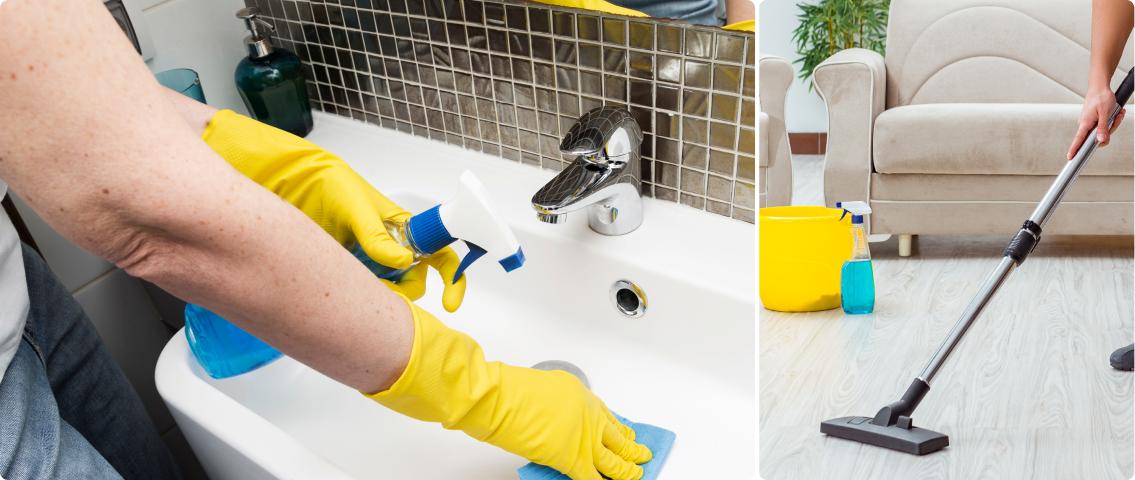
With new protocols and training in place, the service experience at the premium workspaces underwent a noticeable evolution. Now, when a tenant submits a ticket (say, a projector not working in a meeting room), they receive a prompt response with a scheduled visit time. The technician arrives punctually, dressed in a sharp uniform bearing the workspace brand logo – often mistaken by clients as a direct employee of the premium space (which is a good thing). They come prepared with the tools and knowledge needed (having been briefed via the improved request system), greet the tenant courteously, and carry out the fix with minimal disruption. If any cleaning is needed after the job (dust from a drill, etc.), it’s taken care of immediately – sometimes the technician even has a small portable vacuum or cleaning kit as part of their toolset. Before leaving, the tech shows the tenant that the projector is now working, asks if everything else is okay, and thanks them for their time. The area looks as if no repair work ever happened, except that the issue is resolved. This level of polish in execution makes the service almost invisible – in the sense that it doesn’t create any new inconvenience, only removes the problem. The feedback request that follows often gets a pleasantly surprised response, because such attentiveness in facilities matters was not what clients were used to.
Impact: Service Excellence Reflected in Satisfaction and Brand Loyalty
Upgrading the service experience yielded clear benefits that were soon reflected in the client’s performance metrics and customer sentiment:
5.1 Higher Customer Satisfaction Scores
Customer satisfaction (CSAT) with support services climbed significantly. Before, maintenance-related feedback often dragged down overall satisfaction surveys for the workspace. After implementation, maintenance became a positive highlight. Many tenants specifically commented on the professionalism of the support staff in internal surveys. The quick fixes and polite interactions led to a noticeable uptick in positive reviews and referrals for the co-working brand, as happy clients shared their experiences with colleagues and friends.
5.2 Fewer Repeat Issues
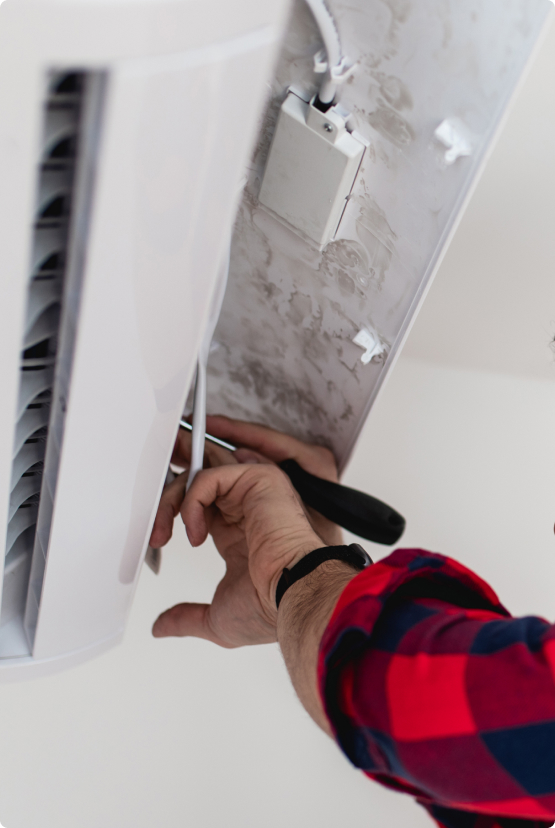
The focus on doing things right the first time, along with the thorough closure process, meant a sharp reduction in repeat service calls for the same issue. For instance, if an air- conditioning issue was addressed, it stayed fixed, rather than malfunctioning again a week later. This was partly because technicians, now taking pride in their work, were more diligent in root-cause fixing rather than band-aid fixes. Fewer repeat visits not only indicate better quality work, but also improved the client’s operational efficiency – the maintenance team could cover more ground and new requests instead of revisiting old problems.
5.3 Strengthened Premium Brand Perception
Perhaps the most important outcome was the enhancement of the brand’s perception. Clients began to associate the workspace not just with beautiful design, but with impeccable service. It became another selling point for the provider: prospective clients touring the facilities would hear about the “five-star” maintenance and support. The consistency across all locations meant word spread that this company truly offers a premium, well-managed environment. In an industry where differentiating can be tough beyond decor and location, service excellence became a key differentiator. Existing tenants were more likely to renew their leases/memberships because the overall experience – of which facilities service is a part – was superior to alternatives.
5.4 Employee Morale and Ownership
An often overlooked impact was on the maintenance team itself. By elevating their role and giving them a more professional identity, job satisfaction increased. Technicians took ownership and were proud to wear the company uniform and represent the brand. This reduced turnover in the facilities team and created a virtuous cycle: experienced staff stayed on, got to know the sites and clients better, and delivered even better service. Maanicare’s training and empowerment approach turned what used to be a low-profile job into a respected function, which ultimately benefits the client through more reliable service delivery.
5.5 Strategic Impact for Maanicare
For Maanicare, this project was a showcase of how we blend service design with facilities management. It highlighted our ability to lift service standards to match high- end brand promises, something not all competitors in facilities management emphasize. This success positioned Maanicare as a leader in the premium segment of workplace management – proving that we understand not just the technical side of facility upkeep, but the experiential side too. We could leverage this case to approach other premium service environments (from luxury retail to upscale residential complexes) where the integration of hospitality and facility maintenance is key.
Key Learnings
- Every Touchpoint Matters: In a premium environment, anything that falls below par – even a maintenance visit – can detract from the overall experience. Focusing on each service touchpoint ensures the brand promise is consistently delivered.
- Culture Shift Through Training: People make the difference. Invest in your service teams with training, clear protocols, and empowerment, and they will rise to the occasion. The human element is what truly creates a premium feel.
- Consistency is King: A standardized approach across all locations and scenarios builds trust. Clients learn to expect a certain level of service every time, and meeting that expectation consistently builds strong loyalty.
- Listen and Refine: Implementing a feedback loop is invaluable. It not only validates improvements but uncovers new areas to tweak. Premium service is an evolving target – continuous feedback helps keep it on the mark.
Executive Summary

Project
Branded Service Experience Upgrade

Client
Undisclosed premium co-working & office space provider

Scope:
Redesign of facilities maintenance and support services to align with a premium brand standard – including development of service SOPs, team training on hospitality- grade service delivery, implementation of uniform and arrival/closure protocols, and a customer feedback system.

Maanicare’s Role:
Service design consultant and implementation partner, responsible for auditing current services, creating and rolling out new procedures, training maintenance staff, and setting up mechanisms to monitor service quality and customer satisfaction. Outcome: A transformed service culture where maintenance interactions reflect a five- star experience – leading to higher tenant satisfaction scores, fewer repeat issues, improved brand reputation, and a more engaged and professional facilities team.